Discovering the Quiet Soul of Japanese Food
1. Sashimi: The Cuisine of Trust
Sashimi is a dish that almost does nothing.
No fire.
No heavy seasoning.
No attempt to impress.
On the plate lies only what arrived from the sea that day—and the quiet confidence that it needs no disguise.
Eating raw fish may seem bold to outsiders, but in Japan it is the opposite.
It is restraint.
It is the decision to step back and let the ingredient speak for itself.
Sashimi represents a culture where craftsmanship is invisible and trust is essential—between the ocean, the cook, and the person who eats.
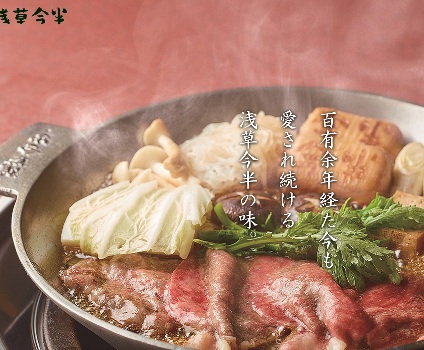
2. Wagyu: Time You Can Taste
Then comes wagyu.
Many people remember the tenderness, the delicate sweetness of the fat.
But the true luxury of wagyu is not flavor—it is time.
Time spent raising, watching, waiting.
Time not rushed.
Time carefully controlled.
Wagyu is not about indulgence.
It is about patience, made edible.
That is why it melts so quietly, leaving no heaviness behind.
Even richness, here, is designed to be gentle.
3. Dashi: The Invisible Foundation
Yet the heart of Japanese food lives somewhere far more ordinary.
In dashi.
Made from kombu seaweed and dried bonito flakes, dashi does not compete with ingredients.
It supports them.
It does not announce itself.
It does not demand attention.
Without it, however, nothing truly stands.
Dashi is not a flavor—it is a foundation.
A quiet reassurance that allows food to feel complete without being overwhelming.
4. Omotenashi: Hospitality Without Display
Japanese hospitality follows the same logic.
Omotenashi is not performance.
It is anticipation.
Preparing space before someone asks.
Removing discomfort before it is noticed.
Making care feel natural, almost accidental.
Like dashi, the best hospitality is invisible.
5. Everyday Food, Everyday Philosophy
Japanese cuisine is often associated with special occasions—sushi counters, kaiseki meals, fine restaurants.
But its true form appears daily.
A bowl of rice.
Grilled fish.
Miso soup, quietly steaming.
Japanese food is not about celebrating excess.
It is about sustaining balance.
It is not a cuisine meant to impress.
It is a way of living that simply became taste.
Closing Thought
Japanese food begins with sashimi,
impresses with wagyu,
but reveals its soul in dashi and everyday care.
To eat in Japan is not just to taste something new—
it is to experience a culture that believes
the most important things should never shout.


コメント