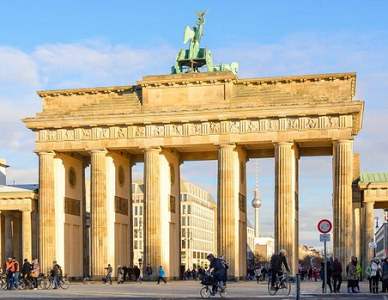
Germany is a country of diverse attractions. From its historic architecture to its natural beauty and cultural events, it attracts visitors from all over the world. Cologne Cathedral, for example, is a Gothic masterpiece that attracts visitors from all over the world. Neuschwanstein Castle, famous for its romantic appearance, is said to have served as the model for the castle in Disneyland.
Germany’s natural beauty is also a source of enjoyment. The Black Forest is known for its mysterious beauty and is ideal for outdoor activities such as hiking and biking. Furthermore, no trip to Germany is complete without experiencing German culture, especially beer and sausages. At the world-famous Oktoberfest, visitors can enjoy local beer along with traditional German cuisine.
These are just a few of the delights Germany has to offer. You will discover the true charm of Germany through its history, nature, culinary culture, music, and the warmth of its people. When you plan your trip to Germany, be sure to visit some of these attractions.
Are Germans unique?
Germans refer to the inhabitants of Germany and other parts of Europe. German may mean a citizen of the Federal Republic of Germany, a person belonging to the German ethnic group, or a native speaker of German. The identity of Germans is diverse and characterized by different historical backgrounds and regions. For example, although Germany is slightly smaller than Japan, each region has a different culture and language, and the history of the division and unification of East and West Germany has also influenced German identity.
As for the character and characteristics of Germans, they are punctual, thrifty, serious, and rule-oriented, but this cannot be generalized. It varies greatly depending on age, place of origin, and even individual personalities. In the younger generation, we see a more flexible approach to time and international influences. Germans are also said to have strong opinions and tend to be assertive without being influenced by the opinions of others.
Understanding the diversity of the German people and their backgrounds is extremely important in gaining a deeper understanding of the country. Respecting the unique identity and values of each German will be important for living together in an international society. Through interaction with Germans, you will be able to feel their culture, history, and the warmth of their people.
History
ドイツの歴史は、古代から現代に至るまで、多様な文化と政治的変遷を経験してきました。古代では、ネアンデルタール人やクロマニョン人が居住し、新石器時代には農耕が始まりました。青銅器時代には、インド・ヨーロッパ語族に属するゲルマン祖語を話す人々が到達しました。これらの人々は、現在のドイツ人の多数派を占めるハプログループR1bに属していたと考えられています。
中世には、フランク王国が成立し、カロリング朝フランク王国の勢力拡大を見ました。カール大帝の時代には、西ヨーロッパ世界の政治的統一を推進し、カロリング・ルネサンスを通じてラテン語文化を復興させました。843年にはヴェルダン条約が結ばれ、フランク王国は分割され、東フランク王国が成立しました。これが後のドイツの原型となります。
神聖ローマ帝国の時代には、962年にオットー1世がローマ皇帝の冠を授かり、帝国の基盤を固めました。しかし、1806年に帝国は解体し、その後のドイツは多くの政治的変動を経験しました。ナチス・ドイツの台頭と第二次世界大戦後の分断、そして冷戦時代を経て、1990年には東西ドイツが統一されました。
ドイツの歴史は、ヨーロッパだけでなく、世界史においても重要な役割を果たしてきました。その複雑で多面的な過去は、今日のドイツのアイデンティティと文化に深く影響を与えています。ドイツの歴史についてもっと知りたい方は、詳細な年表や解説を参照してみてください。
the arts
German art has earned a worldwide reputation for its rich history and diverse cultural influences. From the Middle Ages to the present day, Germany has produced many renowned artists, especially in the fields of painting, sculpture, architecture, and music.
During the Renaissance, Albrecht Dürer was known as the “father of German painting” for his precise prints and paintings. Artists such as Lucas Cranach the Elder and Hans Holbein the Younger also contributed to the development of German art with works reflecting the Reformation period.
In the 19th century, Caspar David Friedrich represented Romantic painting and is known for his landscapes depicting the relationship between nature and man. Franz Xaver Winterhalter was also loved by European royalty and nobility for his brilliant court portraits.
In the early 20th century, Expressionism spread from Germany to the rest of the world, and Franz Marc and Ernst Ludwig Kirchner were among the leading painters of this movement. The Bauhaus movement also laid the foundation for modernist design, which aimed to fuse art and craft.
In Germany’s museums and galleries, visitors can view the works of these artists as well as other works of art from around the world. The Städel Museum, the Alte Pinakothek, and the Pergamon Museum are all must-see destinations when visiting Germany.
From the past to the present, German art has always reflected the spirit of the times and continues to search for new forms of expression. Therefore, a deeper understanding of German art can be gained by studying it together with its historical background. If you are interested in German art, a journey exploring its history and culture is sure to be an exciting one.
Germany has a role to play
As one of the core countries of the European Union (EU), Germany plays an important economic and political role: it is the largest economy in the EU and its influence extends from the formulation of EU policy to international relations. Germany maintains fiscal discipline and a strong industrial base to support the economic stability and growth of the EU. It has also facilitated European integration through the free movement of people and circulation of goods within the EU and the introduction of a common currency, the euro.
However, the imbalance of economic power within the Eurozone is also a challenge for Germany. Compared to the economically stronger northern countries, the southern countries have not fully benefited from the introduction of the euro. Germany needs to address this issue by providing support and financial flexibility to economically distressed countries in order to stabilize the Eurozone.
Germany has also shown leadership in combating climate change, reducing carbon emissions and investing in renewable energy. These efforts are also influencing the environmental policy of the EU as a whole, paving the way for a sustainable future.
Germany’s role in the future of the EU will become increasingly important, and the country must continue its balanced approach in order to maintain the EU’s economic strength while addressing social challenges and maintaining its influence on the international stage.


コメント