Walking through Tokyo, you might wonder: What did this place look like in the days of Edo? Four hundred years ago, when Tokugawa Ieyasu established his shogunate here, Edo quickly grew into one of the largest cities in the world. And even today, traces of that vibrant past still live on in Tokyo’s streets, rivers, and gardens.
At the heart of Edo stood Edo Castle—today’s Imperial Palace. Samurai residences spread out around the castle, while merchant towns and temple districts extended further beyond. Streets were neatly laid out in grid patterns, lined with merchant houses and humble rowhouses (nagaya), where ordinary townspeople shared wells and drying racks, living closely together.
Life in Edo relied heavily on its rivers. Boats traveled along the Sumida and Kanda Rivers, carrying rice and goods to storehouses in Kuramae. Waterways were the lifeline of the city, powering its growth and daily life.
Nihonbashi Bridge became Edo’s iconic symbol. As the starting point of the Five Highways, it bustled with merchants and travelers. Asakusa Temple, Yoshiwara, and Ryogoku were other lively centers of entertainment and faith. Yet Edo was also known as “the city of fires and quarrels,” with fire watchtowers and firefighting teams becoming an essential part of the cityscape.
📸 Best Photo Spots to Capture Edo’s Spirit
- Imperial Palace, Nijubashi Bridge: Iconic stone walls and moats, once the very center of Edo.
- Nihonbashi Road Marker: The official “zero point” of Japan’s roads—perfect for history lovers.
- Sumida Riverside Terrace: Combine the river, boats, and Tokyo Skytree for a photo blending Edo and modern Tokyo.
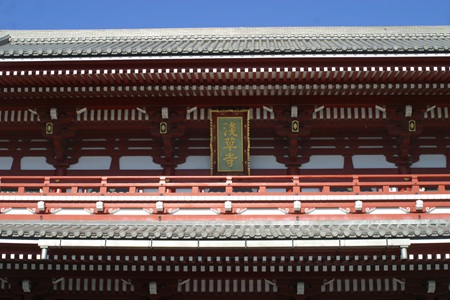
- Asakusa Temple & Kaminarimon Gate: The giant red lantern and lively shopping street recreate the old temple-town atmosphere.
- Ryogoku Kokugikan (Sumo Hall): A modern home of sumo, rooted in Edo-period entertainment culture.
🏯 Places That Preserve Edo’s Legacy
- Asakusa Temple Main Hall: Rebuilt many times, yet still a living link to Edo’s faith and street life.
- Kaneiji Temple (Ueno): A temple deeply tied to the Tokugawa shoguns.
- Fukagawa Edo Museum: Full-scale recreations of Edo rowhouses and shops let you step into daily life.
- Koishikawa Korakuen Garden: A daimyo garden of the Mito Tokugawa clan, beautifully preserved.
- Kyu-Shiba Rikyu Garden: A seaside daimyo garden, offering a striking contrast between Edo-era landscaping and Tokyo’s skyscrapers.
🚶 Suggested Edo-Themed Walking Courses
- Course 1: Edo Castle & Merchant Culture
Imperial Palace East Gardens → Nihonbashi → Kanda/Ningyocho → Ryogoku - Course 2: Faith & Entertainment
Asakusa → Sumida River Cruise → Mukojima → Fukagawa Edo Museum - Course 3: Daimyo Gardens & Nature
Koishikawa Korakuen → Kaneiji (Ueno) → Kyu-Shiba Rikyu Garden → Hamarikyu Garden
Edo is not just a memory—it still shapes Tokyo’s scenery and spirit. On your next walk, look at the rivers, gardens, or castle walls, and you may find yourself stepping back into the world of Edo.


コメント